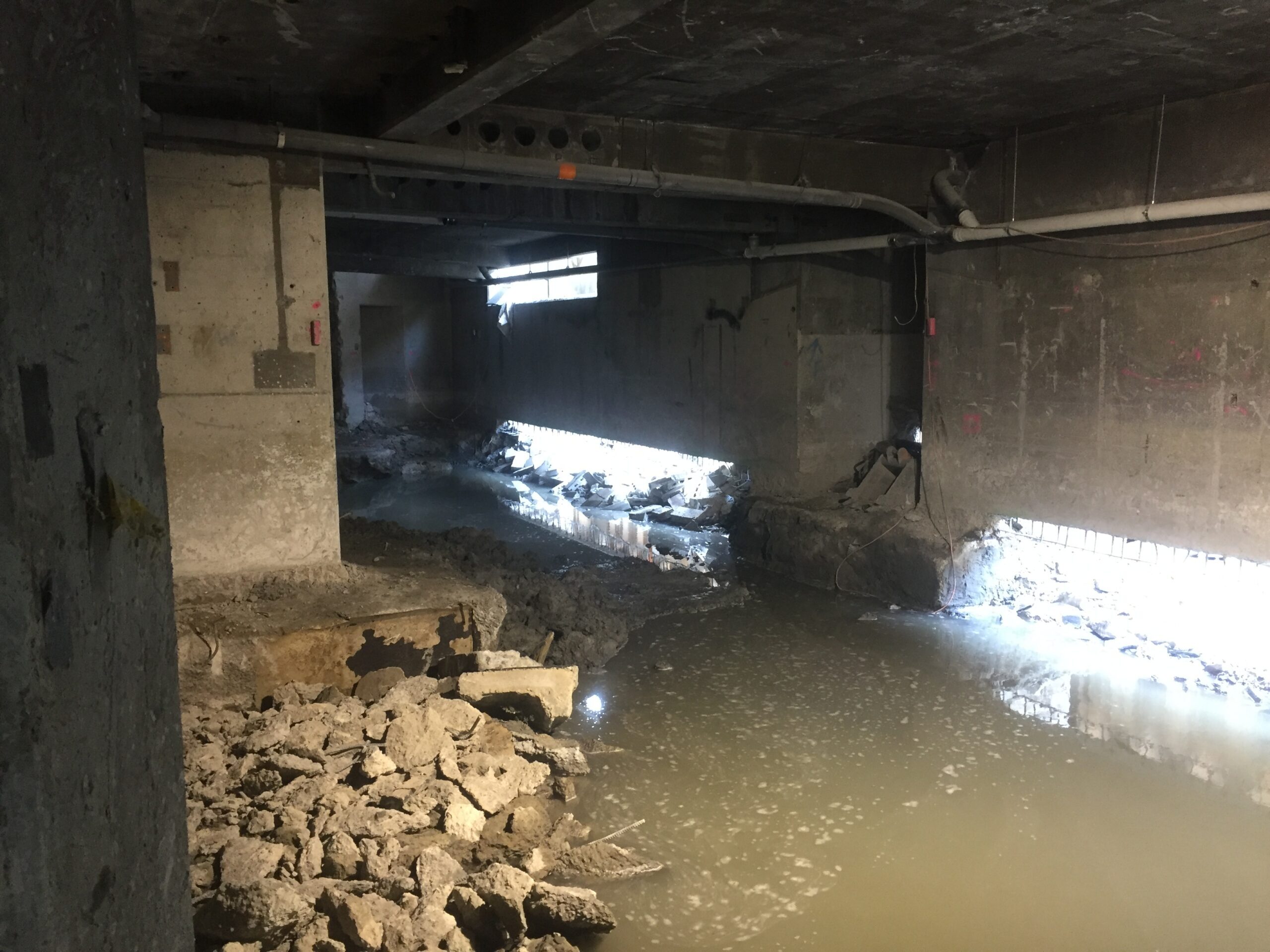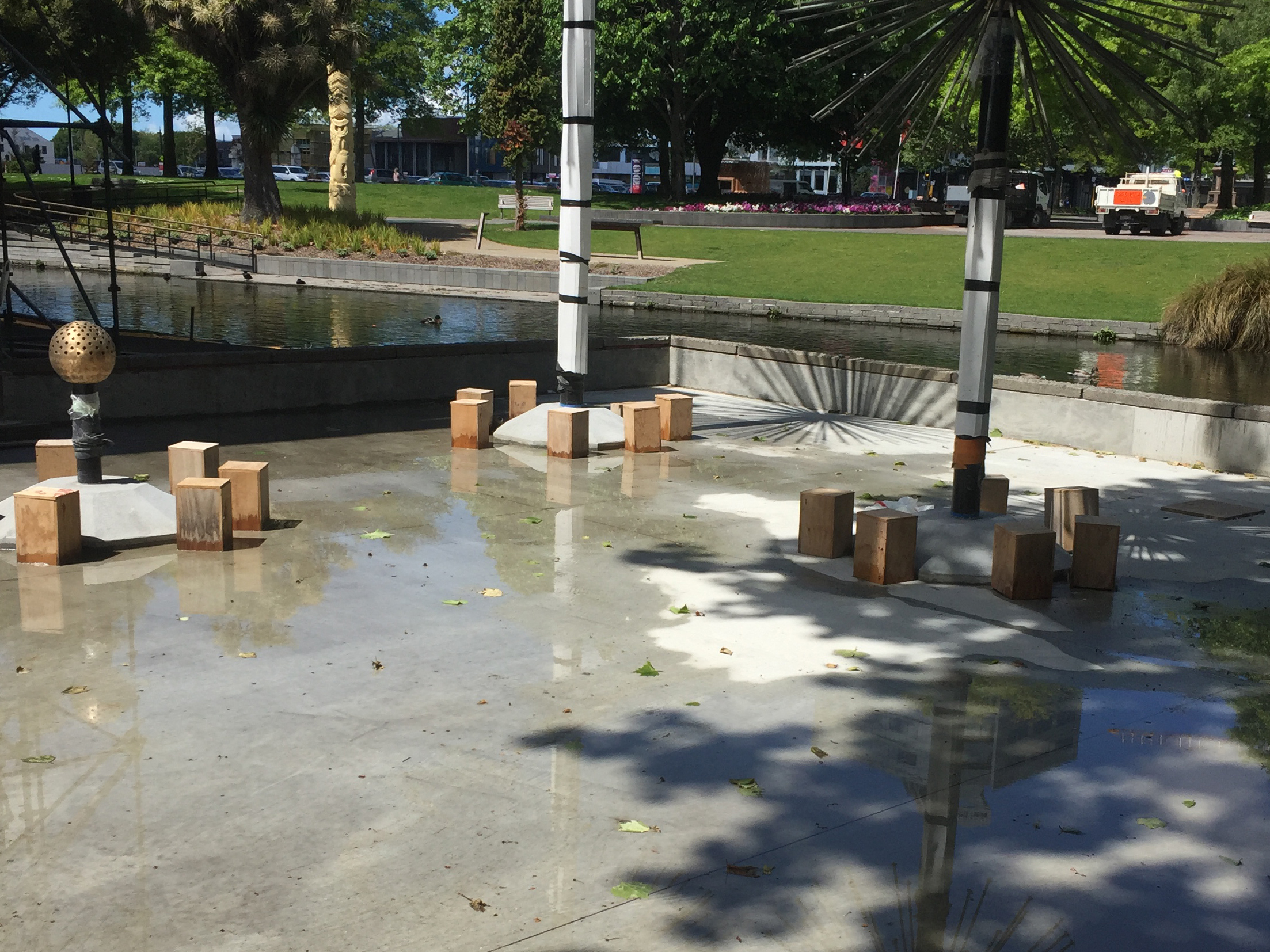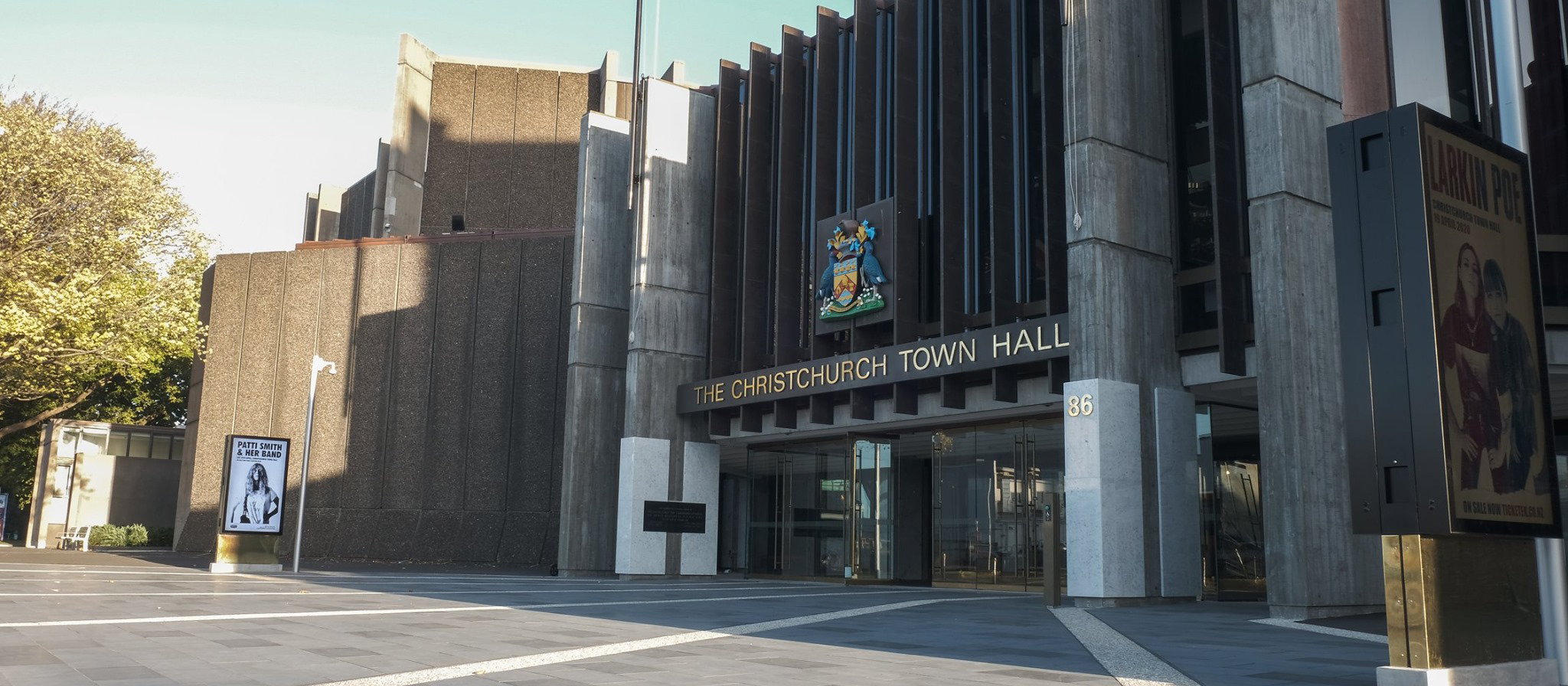

Like many buildings, the Christchurch Town Hall suffered severe damage during the 2010 and 2011 Christchurch Earthquakes. In February 2011 particularly, the Town Hall site suffered significant land movement, damage and liquefaction and that kept the town hall closed for 8 years.
The Christchurch Town Hall, designed by Sir Miles Warren and Maurice Mahoney, has been a significant cultural landmark if the Garden city since its opening in September 1972. Situated on Kilmore Street along the Avon Riverbank, it has served a variety of public assembly purposes, functions, conventions and exhibitions over the years.
Due to the building’s importance to the city and the Christchurch community, there was overwhelming support by the public to see it restored. In August 2013 the council confirmed its commitment to the Town Hall’s restoration.
The Christchurch Town Hall was a part of a five-year conservation project completed in 2019. The restoration brought the building up to 100% of the New Building Standard (NBS) while preserving its original characteristics and creating a modern facility. Four of the original areas were able to be retained; these are the Auditorium, the entrance foyer, the James Hay Theatre and the Limes Room. The Boaters Restaurant and the Cambridge Room would have to be rebuilt.
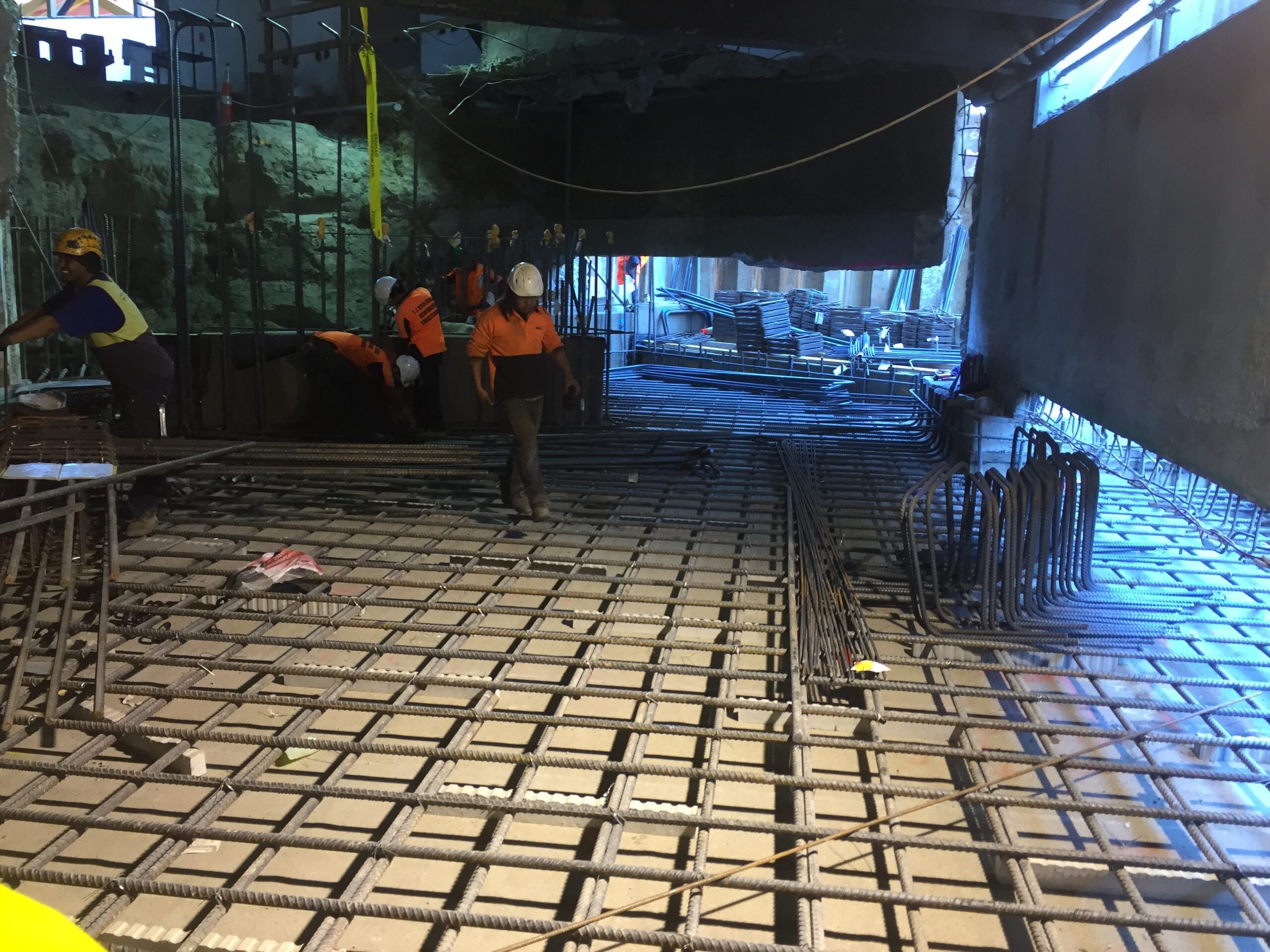
The first construction milestone of the restoration was in November 2015, with the beginning of significant foundation work, and with this came the first stage of underground waterproofing.
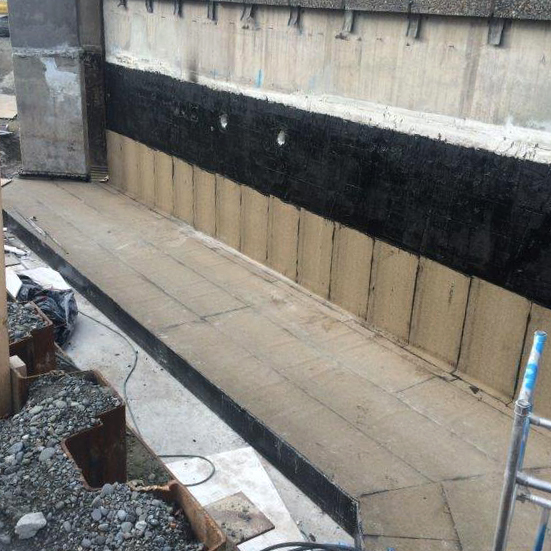
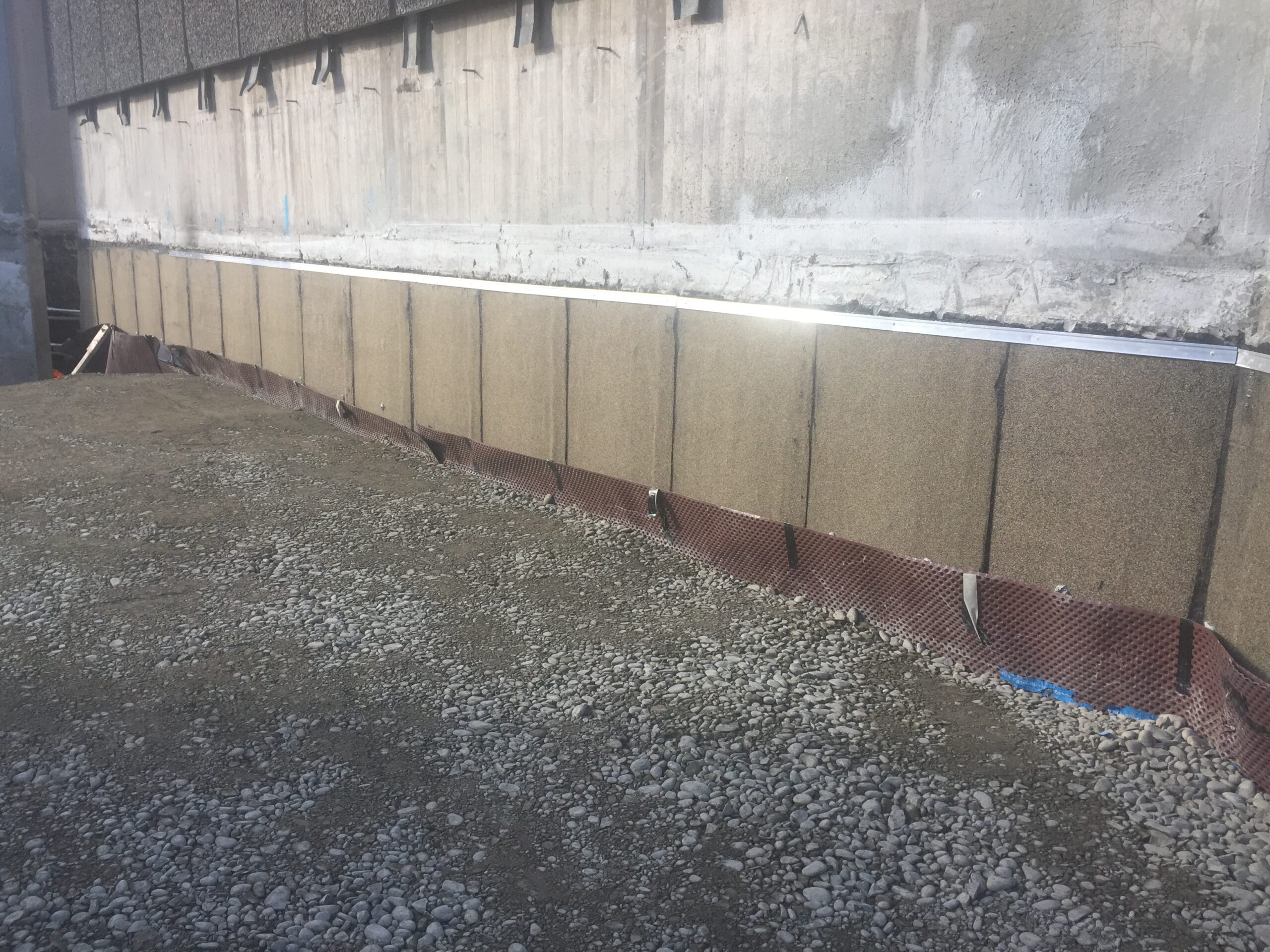
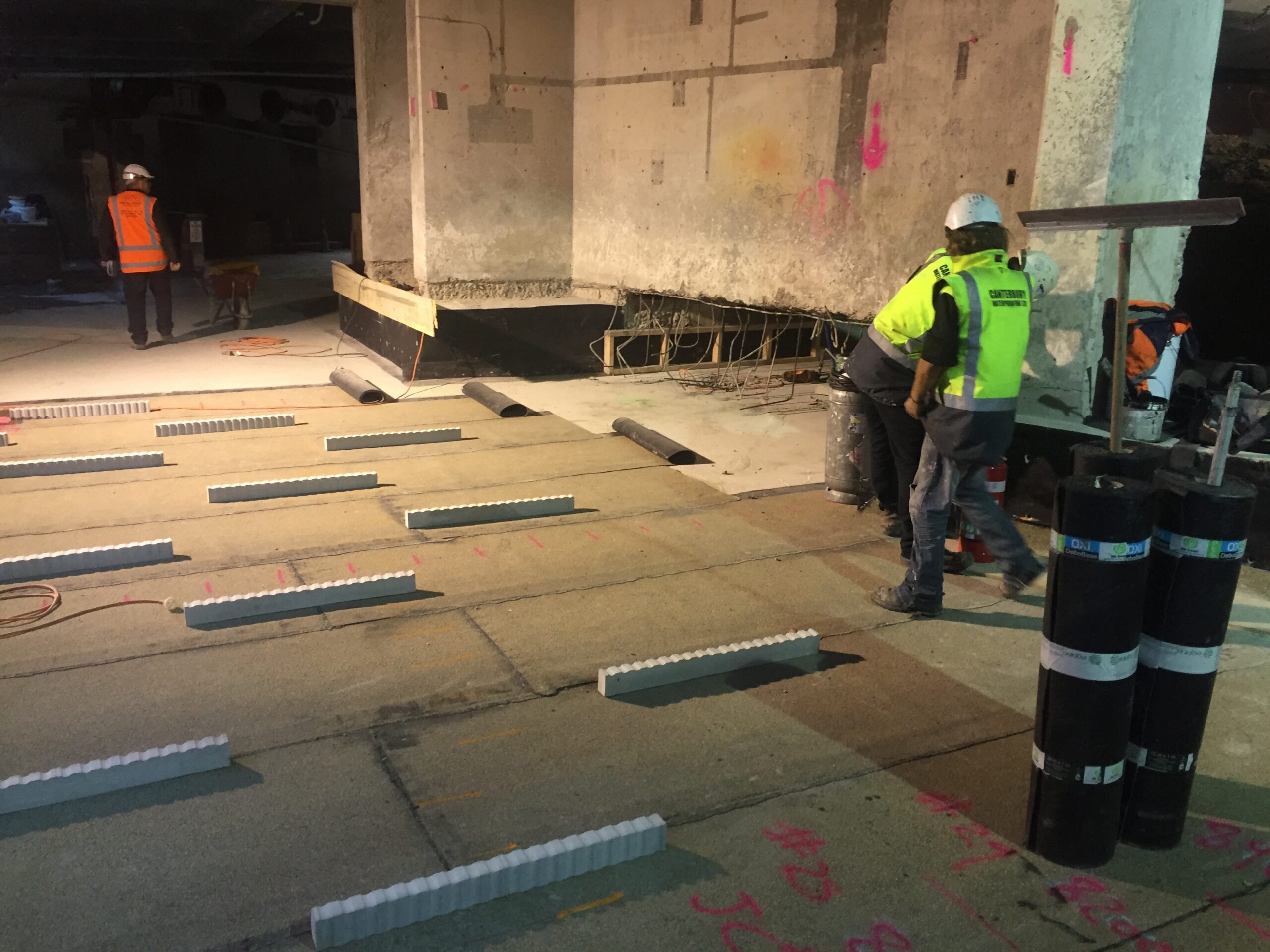
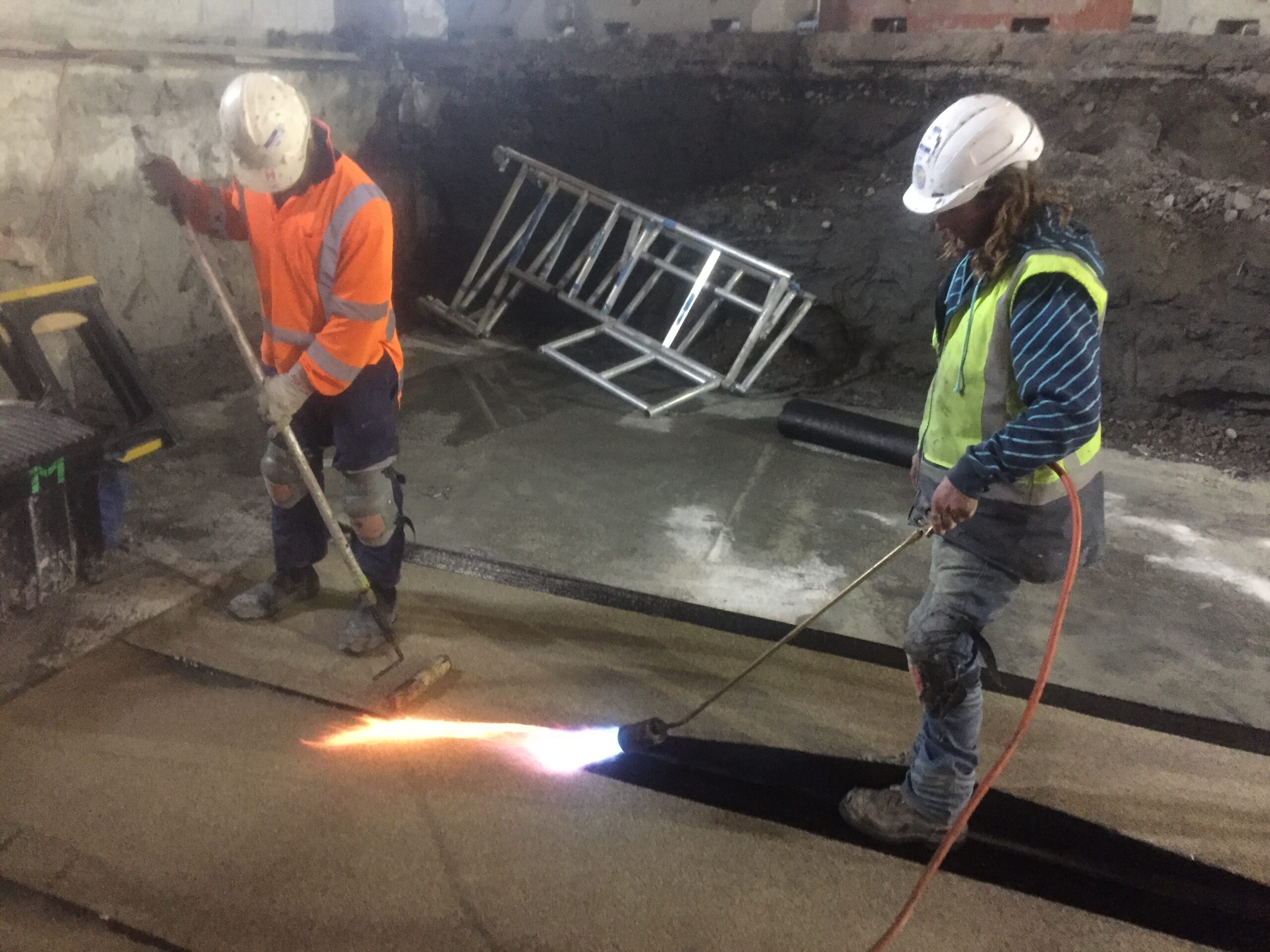
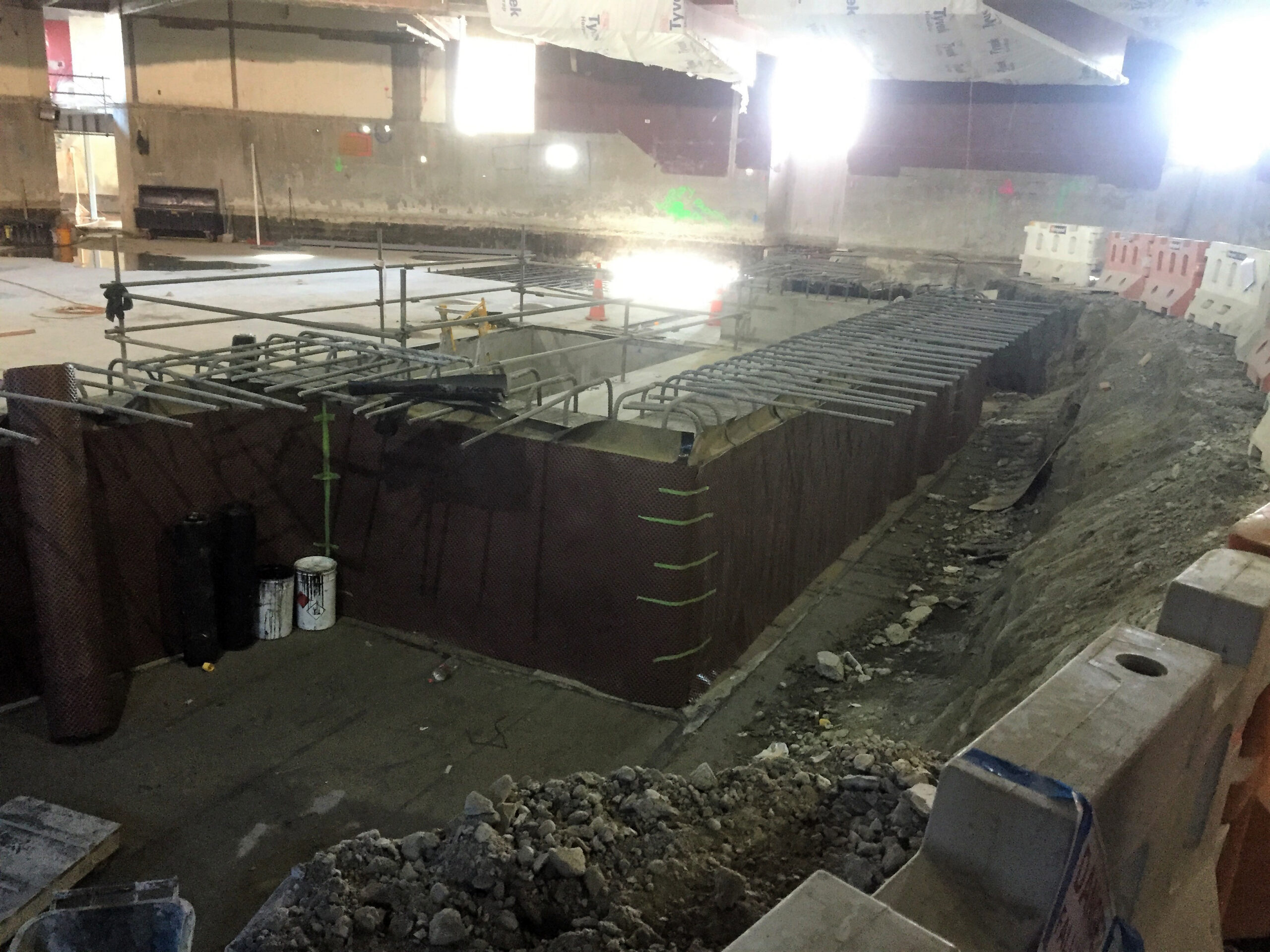
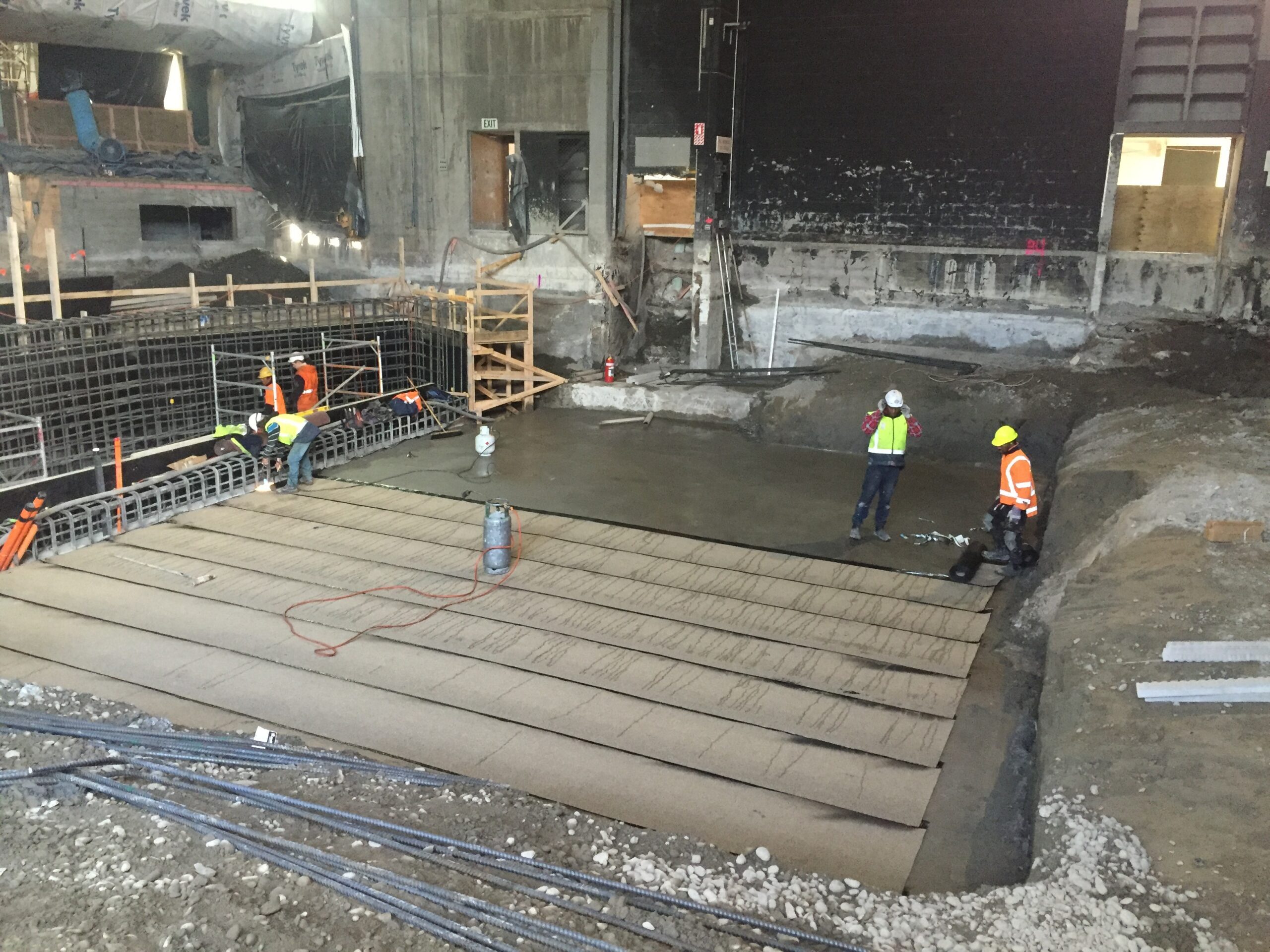
The original tar waterproofing from 1972 was removed, and the exterior and internal foundations and footings were the first to be tanked with the Equus De Boer Debobase 3.5 Special membrane. The tanking membrane was torched on over the concrete floor slabs and walls in both the interior and on the exterior on the Town Hall building. The Danosa Danodren H15 Plus drainage layer was then laid against the tanking membrane on the exterior vertical walls. Earth was backfilled against the Danodren, providing a protective layer for the membrane. On the internal foundations and footings of the building, steelwork framing was installed over the tanking membrane, followed by concrete pouring.