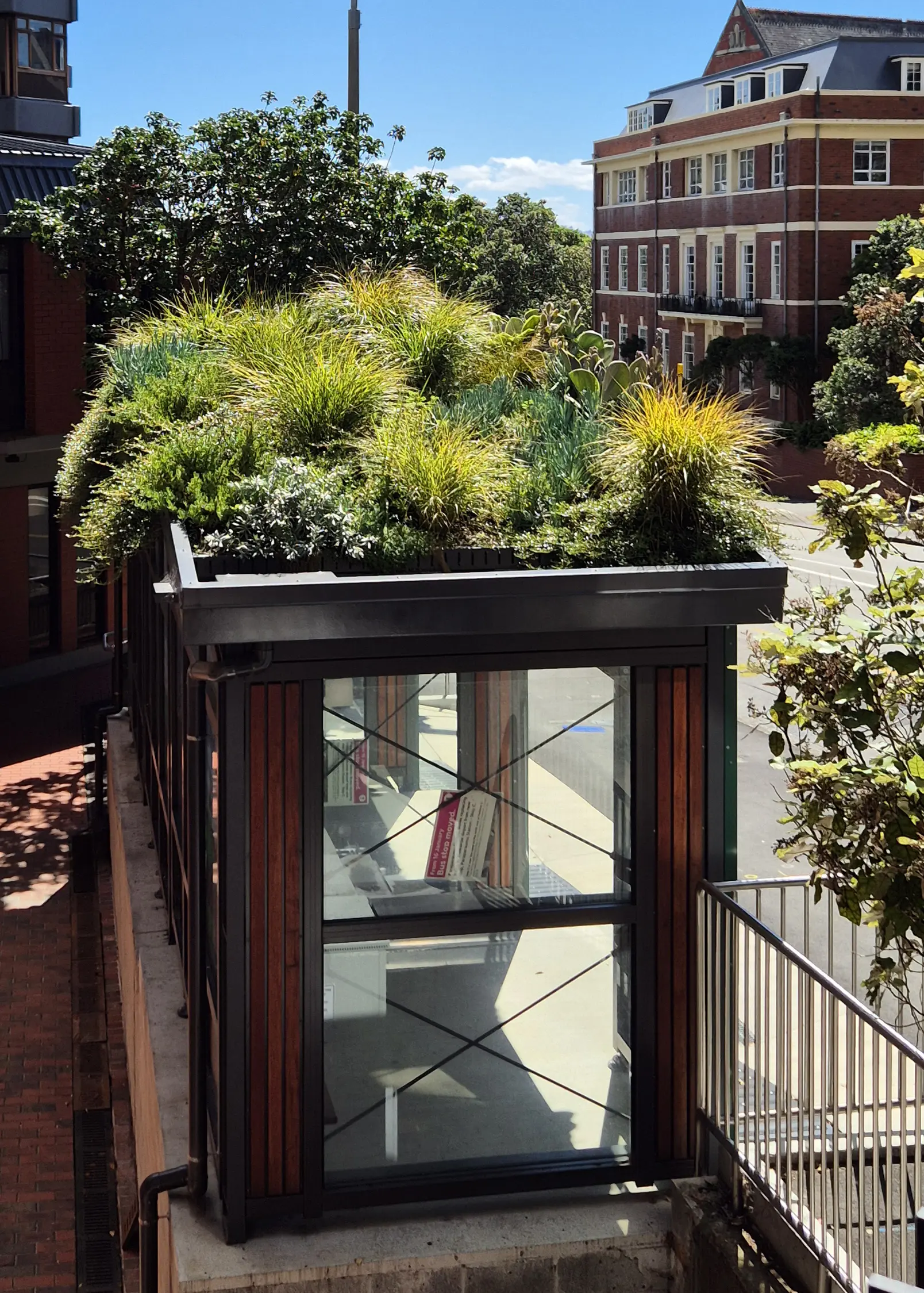

As the construction industry continues to focus on reducing carbon emissions, roofing design is playing an increasingly important role in meeting performance and sustainability targets.
Green roofs, when paired with high-performing warm roof systems, offer a practical and technically robust solution for improving thermal efficiency, managing stormwater, and enhancing urban environments.
Environmental and Thermal Performance
Green roofs provide a number of advantages beyond their visual appeal. By reinstating greenery at roof level, they help offset the ecological impact of a building’s footprint while improving biodiversity and reducing the urban heat island effect. Their ability to absorb and slow stormwater runoff helps ease pressure on infrastructure during heavy rainfall events.
When paired with a warm roof system, green roofs also contribute to improved thermal stability, reducing heating and cooling demand. This directly supports operational carbon reduction targets and helps buildings perform more efficiently throughout their lifecycle.
Green Roof Design Options
Equus specialises in delivering durable, watertight green roof systems using the SOPREMA DUO root-resistant membrane, a proven solution for New Zealand conditions. Depending on the structural capacity and planting requirements, three primary system types are available:
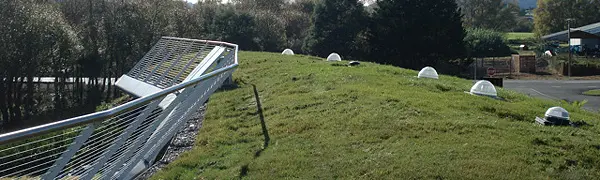
- Extensive Green Roofs – Lightweight, low-maintenance systems designed for mosses, grasses, and groundcover. These are the most economical solution, suitable for timber, metal, or concrete roofs.
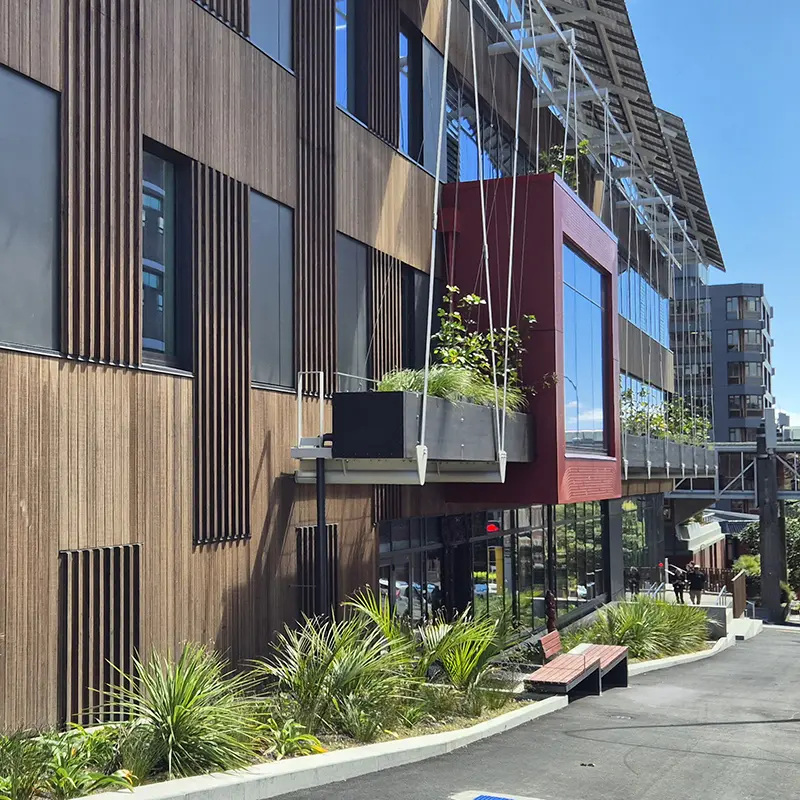
- Simple Intensive Green Roofs – Accommodates light planting and small shrubs, providing aesthetic and environmental benefits with moderate structural requirements.
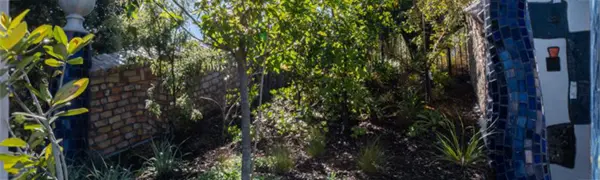
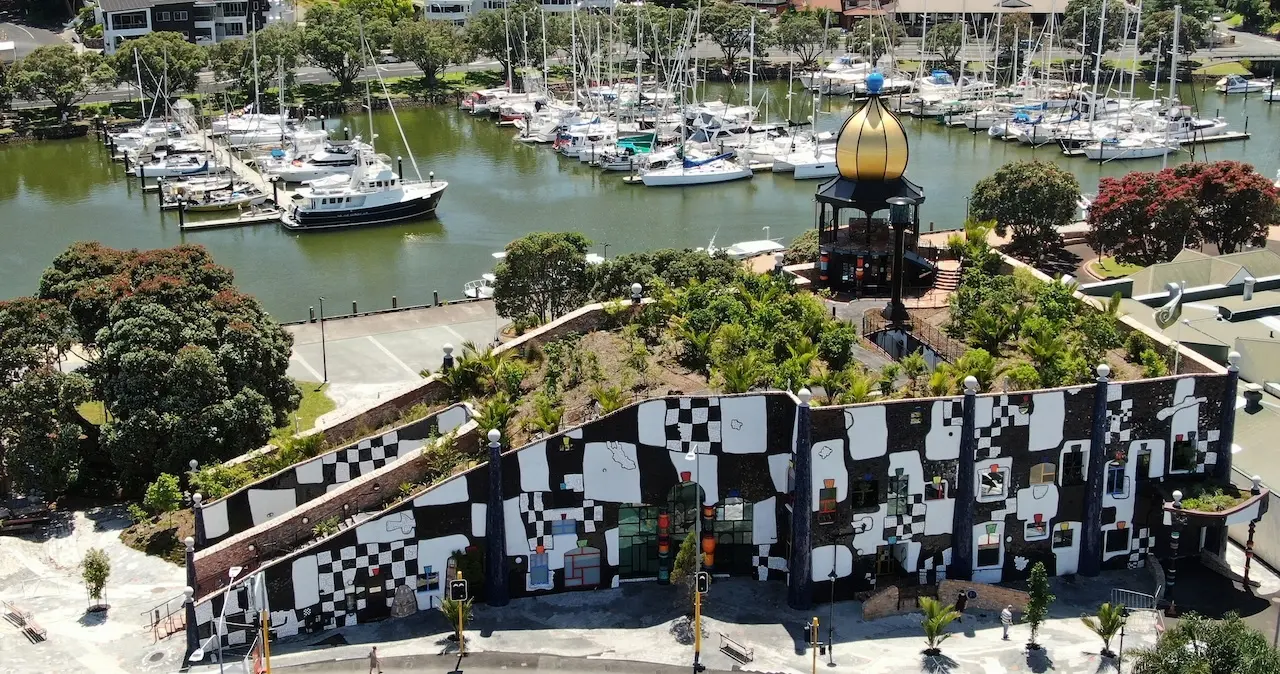
- Full Intensive Green Roofs – Comparable to a traditional garden, supporting everything from large shrubs to mature trees and water features. These require deeper soil profiles and robust structural support but offer significant design and amenity potential.