

Foundations are the bedrock of any structure, ensuring its stability and durability. And yet, they are often neglected until a major issue emerges.
Foundation failures—although invisible to the naked eye in their initial stages—can have disastrous consequences, such as partial collapse, water infiltration, or damage to the surrounding structure, all leading to astronomical repair costs.
One of the main causes of these failures is improper installation or design of waterproofing systems. Fortunately, many solutions exist to avoid these problems, provided that preventive measures are taken beforehand.
The Main Causes of Failures
1. Poor Substrate Preparation
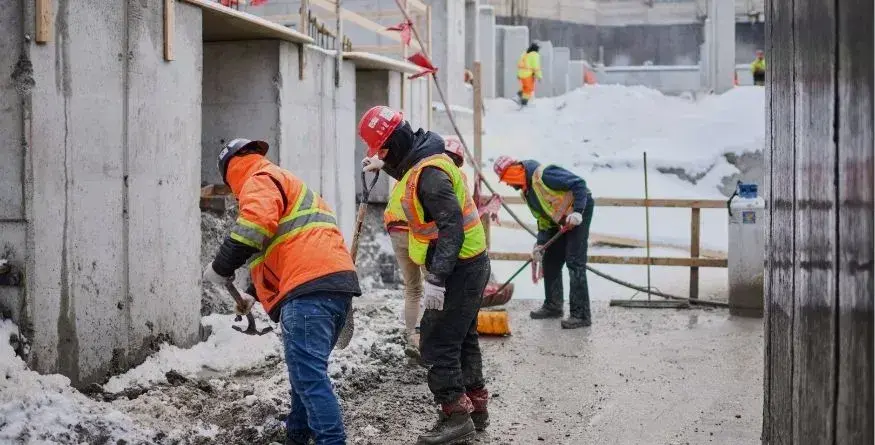
Substrate preparation is a crucial step that directly influences the performance of waterproofing membranes. A dirty, poorly cleaned or uneven substrate prevents proper adhesion of the membranes. Furthermore, cracks in the concrete or structural defects, such as porous or friable surfaces, increase the risk of water infiltration.
These defects can become weak points facilitating water migration and leading to problems such as persistent humidity, the development of mould or, even worse, structural subsidence.